The Impact of Your Small Business on the Environment (Ep#33)
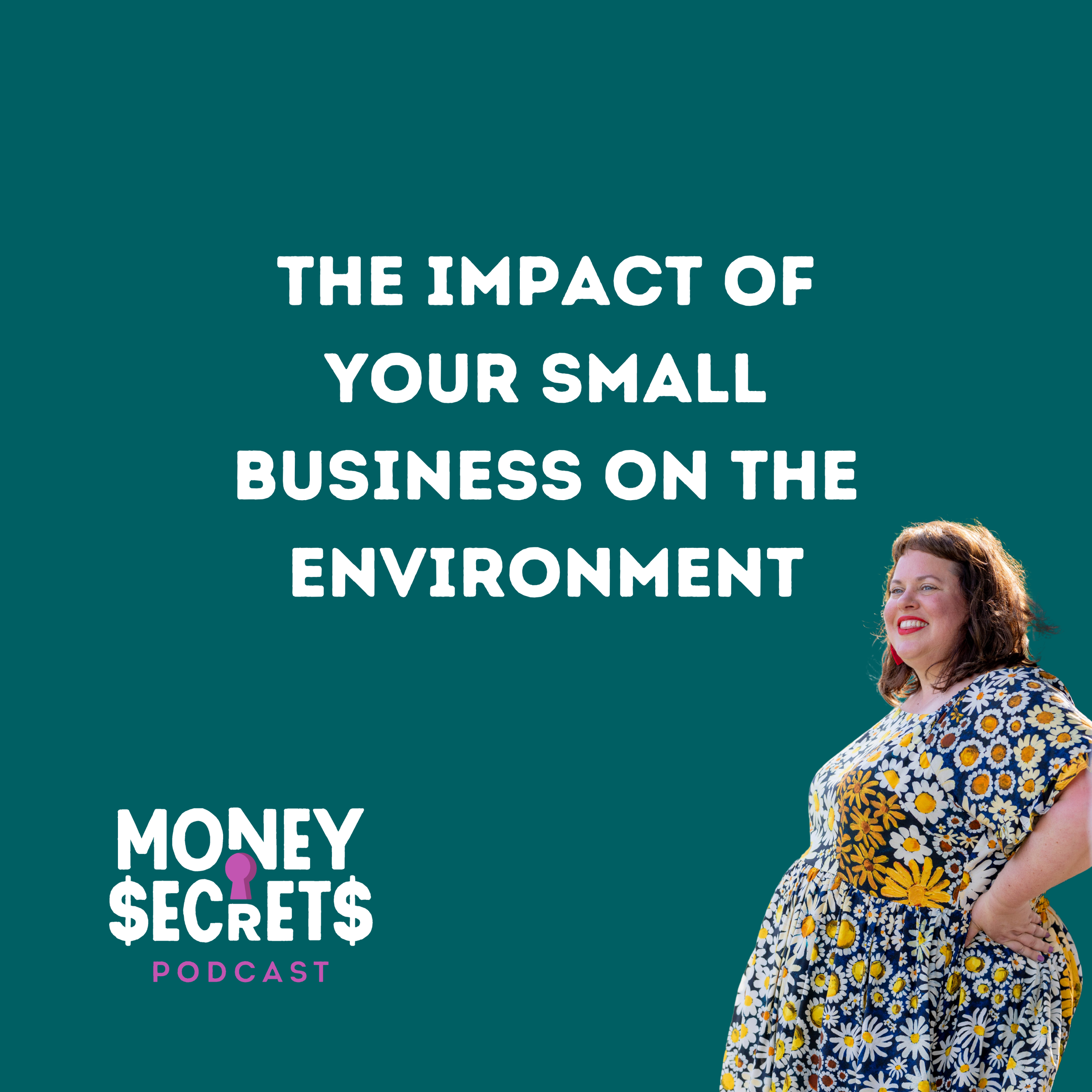
We often expect product and manufacturing businesses to shoulder the responsibility of sustainability, but service providers? We’re part of the picture too.
In this solo episode, Fi opens a gentle and important conversation about the choices we make in our businesses — from how we deliver our services, to the software we subscribe to, the products we buy, the banks and super funds we use, and the gifts we send to clients. You don’t need to be a sustainability expert to start making more conscious choices.
Listen to Episode 33
What You’ll Learn in This Episode
Your business has an environmental footprint — even if you don’t sell physical products. Every service has a cost, whether it’s cloud storage, energy use, or software subscriptions.
Small changes can add up. From switching browsers to reducing video recordings, there are simple shifts that reduce impact without sacrificing efficiency.
Where you spend matters. The tools, subscriptions, banks, and super funds you use are all part of your business ecosystem — and their values become part of yours.
Your delivery model is part of your impact. Whether you’re commuting, flying, or working remotely, it’s worth considering how your service is getting to your clients — and at what cost to the environment.
Buying better beats buying more. When it comes to products and client gifts, longevity and ethics go a long way — even if it costs a little more up front.
You don’t have to be perfect to care. You don’t need a sustainability degree to start making better choices — just curiosity, reflection, and a willingness to ask yourself some honest questions.
The Impact of Your Small Business on the Environment (Ep#33)
Money Secrets Podcast – Episode 33
Introduction
We've made a lot of progress as a society in many areas, but one thing that hasn’t changed enough is our relationship with money. If we want to tip the scales in favour of marginalised people, we need to understand the secrets to making money in small business.
The more we talk about money — especially the secrets that usually stay behind closed doors or on the golf course — the more empowered we become. My mission is to get more money into the hands of good people, specifically business owners like you.
Because I believe small business can change the world. And to do that, we need to be making more money.
Acknowledgement of Country
This episode was recorded on the lands of the Wurundjeri People of the Kulin Nation. I’d like to acknowledge them as the Traditional Owners and custodians of this land and water that I live, work and play on.
I pay my respects to Elders past and present, and recognise that sovereignty has never been ceded. This always was, and always will be, Aboriginal and Torres Strait Islander land.
The Belief That Holds Us Back
“This isn’t something I need to worry about — I don’t sell products.”
This is one of the most common beliefs I hear from service-based business owners when the topic of environmental impact comes up. Maybe you’ve thought this too:
“My business doesn’t create waste like a manufacturing company.”
“I don’t produce physical goods, so my footprint is minimal.”
“I’m just one small business — how much difference can I really make?”
Sound familiar?
The Real Problem: Overlooked Impact
Service providers often assume that environmental responsibility is for product-based businesses. But here’s the truth: every business leaves a footprint.
Think about your digital tools, cloud storage, and travel habits. Every Zoom call, file saved in Dropbox, or road trip to a client has an environmental cost. The energy required for servers, video calls, and even AI platforms like ChatGPT is significant.
So, if working harder or “just ignoring it” isn’t the answer, then what is?
The first step is awareness — asking:
What impact do my products or services have on the environment?
Questions to Ask About Your Products and Services
If you’re a product-based business, you might consider:
Where are my products sourced from?
Are they locally made, or do they have high shipping miles?
Is the packaging recyclable or compostable?
How many times can my product be used before it’s discarded?
For example, I prioritise Australian-made products and produce, and I refuse to buy fresh food that isn’t locally grown. I love brands like Made 590, whose garments last for years — I’ve worn their cardigan and dress hundreds of times, and they still look brand new.
The Hidden Environmental Cost of Services
If you’re a service provider, your footprint might look different, but it’s still there. Think about:
Cloud storage: Are you saving endless videos and files that never get revisited?
Software choices: Are you using platforms that prioritise ethical and sustainable practices?
Travel: Could more of your work be done remotely to reduce fuel and time?
Even something as simple as choosing Ecosia instead of Google (a search engine that plants trees with ad revenue) can make a difference.
Your Money Matters Too
The second big question is:
What impact do my investments and expenses have on the environment?
Where is your money going? Your subscriptions, bank, and superannuation are all investing in something — but is it aligned with your values?
Is your bank investing in fossil fuels or renewable energy?
Is your super fund supporting sustainable initiatives?
Could you source ethical client gifts instead of the cheapest option from Amazon?
The goal isn’t to be perfect. It’s to make small, intentional shifts that add up over time.
Good Money Club
Are you a female or LGBTQIA+ business owner who wants to make more money and create meaningful change? My 6-month program, Good Money Club, is designed to help you do exactly that.
We work on your pricing, positioning, business model, and mindset — so you can build your bank account and your impact. Read more about Good Money Club.
Making Simple Changes
Just like raising your prices creates room for growth in your business, sustainable practices create room for impact.
Here are a few easy shifts you can make:
Reduce unnecessary travel and meetings
Rethink how much data you’re storing in the cloud
Switch to a browser like Ecosia
Be mindful of AI tools — they save time, but they also consume resources
The key is asking better questions:
What small change would make my business greener?
Can I deliver my services in a way that reduces energy use?
What companies am I financially supporting through my expenses?
Final Thoughts
If you’ve been telling yourself that sustainability isn’t relevant to your business, it’s time to pause.
Ask yourself:
What is one change I can make this month to reduce my footprint?
How can I align my spending and systems with my values?
What impact do I want my business to leave on the world?
You don’t need to overhaul everything overnight. Start small. Get curious. And remember: even service businesses can — and should — create positive change.
Outro
Thank you for listening to Money Secrets. If you loved this episode, please subscribe, share it with a friend, or leave a review. Your support helps us get these conversations into the hands of more good people who deserve to thrive in business.
We’ve come so far as a society in many ways, but money is one of the areas where progress hasn’t been enough. If we want to tip the scales in favour of marginalised people, it starts with understanding the secret: money in small business.
In this podcast, Money Secrets, host Fiona (Fi) Johnston—Chartered Accountant, small business advocate, and impact enthusiast—dives into the conversations we need to have about money. The secrets that once stayed behind closed doors (or on the golf course) are finally out in the open.
Fi’s mission? To get more money into the hands of good people, like you. She believes small businesses have the power to change the world, and the key to making a bigger impact is to make—and manage—more money.
________________________________________________________________________
Thank you to everyone involved for bringing this podcast together. We are excited to hear from you with any questions, feedback or suggestions for future episodes that you might have. Send a Direct Message to @peach.business
If you are excited for what’s to come, please like this episode, follow the podcast and share it with your friends. We are thrilled you're here.
Want to find out more about Good Money Club? It's for female and non-binary business owners ready to make more money and impact. Join us?
Check out my FREE Pricing Training you need to set your prices for profitability.
________________________________________________________________________
This podcast episode was recorded on the lands of the Wurundjeri People of the Kulin Nation and I'd like to acknowledge them as the Traditional Owners and custodians of this land and water that I live, work and play on. I'd like to pay respect to elders both past and present, and note that sovereignty has never been ceded. This always was and always will be Aboriginal and Torres Strait Islander land.
Enjoyed this episode?
Subscribe to Money Secrets on your favourite platform so you never miss an insight:
If this episode helped you shift your thinking, I’d love it if you left a review — it helps more small business owners discover the show, and I read every single one.
Have questions or ideas for future episodes? Send me a DM over at @peach.business on Instagram. I’d love to hear from you.
Ready to take this work further?
Join the Good Money Club — my 6-month experience for business owners ready to earn more and make a bigger impact.